
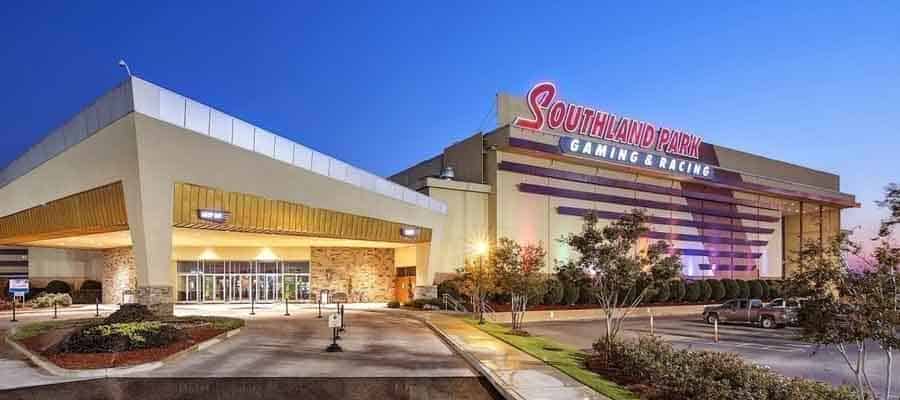
 Arkansas’s casino industry ended 2025 with over $115 million in tax revenue, a 5.4% increase from the previous year, according to the Arkansas Department of Finance and Administration (DFA).
Southland in West Memphis, Oaklawn in Hot Springs, and Saracen in Pine Bluff each reported year-over-year gains, reinforcing the sector’s role as a reliable revenue source for state and local governments.
Local communities received nearly $32 million through Amendment 100’s revenue-sharing formula. Officials report these funds support infrastructure upgrades, public safety, debt reduction, and economic development in the three host counties.
State leaders attribute the strong performance to steady casino visitation, expanded amenities, and a nearly $100 million increase in sports wagering handle compared to 2024.
Online Casino Games in Arkansas
Casino gaming in Arkansas remains limited to physical venues. The three licensed casinos offer electronic games of skill, table games, and live horse racing at Oaklawn.
These casinos have modernized by adding hotel towers, restaurants, and entertainment spaces to compete with regional destinations in Mississippi, Oklahoma, and Missouri.
Unlike many states, Arkansas has not legalized online casino gaming. Residents can legally wager on sports through approved mobile apps, but cannot access online casino games from domestic casinos.
As a result, many Arkansas players use online casino sites operating outside U.S. jurisdiction. These platforms offer online slots, live-dealer tables, and other instant-win games.
Industry analysts note that Arkansas’s strong land-based revenue could influence future discussions about online casinos. Some lawmakers believe digital gaming could complement existing casinos and generate new tax revenue, while others are concerned it may reduce in-person visitation or complicate the state’s regulatory structure.
For now, Arkansas’s casino experience remains primarily in-person, even as national trends shift toward hybrid models that combine physical resorts with online platforms.
Current Online Casino Laws
Arkansas’ gambling framework is shaped primarily by Amendment 100, approved by voters in 2018. The amendment authorized four casino licenses, one each in Crittenden, Garland, Jefferson, and Pope counties. Only three casinos opened after legal disputes led to the revocation of the Pope County license in 2025.
Under current law:
- Online casino gambling is not legal in Arkansas.
- Sports betting is legal, including mobile wagering through licensed operators.
- Casino revenue is taxed at 13% up to $150 million annually, then 20% on revenue above that threshold.
- Tax distribution sends 55% to the state’s general revenue fund, 17.5% to the Arkansas Racing Commission, 8% to the host county, and 19.5% to the host city.
In 2024, voters approved Amendment 104, requiring local voter approval for any future casino licenses and removing the state’s authority to issue a license in Pope County. This decision effectively capped Arkansas at three commercial casinos for the foreseeable future.
Despite strong 2025 revenue, lawmakers have not indicated plans to legalize online casino gaming. Recent legislative sessions have focused on sports wagering oversight, casino licensing disputes, and local control measures rather than expanding digital gambling.